Garbage collection service Renton homeowners and property managers rely on provides rapid, structured extraction of heavy household refuse, bulky cleanout materials, and jobsite debris that standard city trash programs refuse to accept. When standard curbside rolling carts overflow or regional disposal regulations bar large furniture and remodeling rubble, dedicated field logistics crews clear residential driveways and private access lanes across the Cedar River basin.
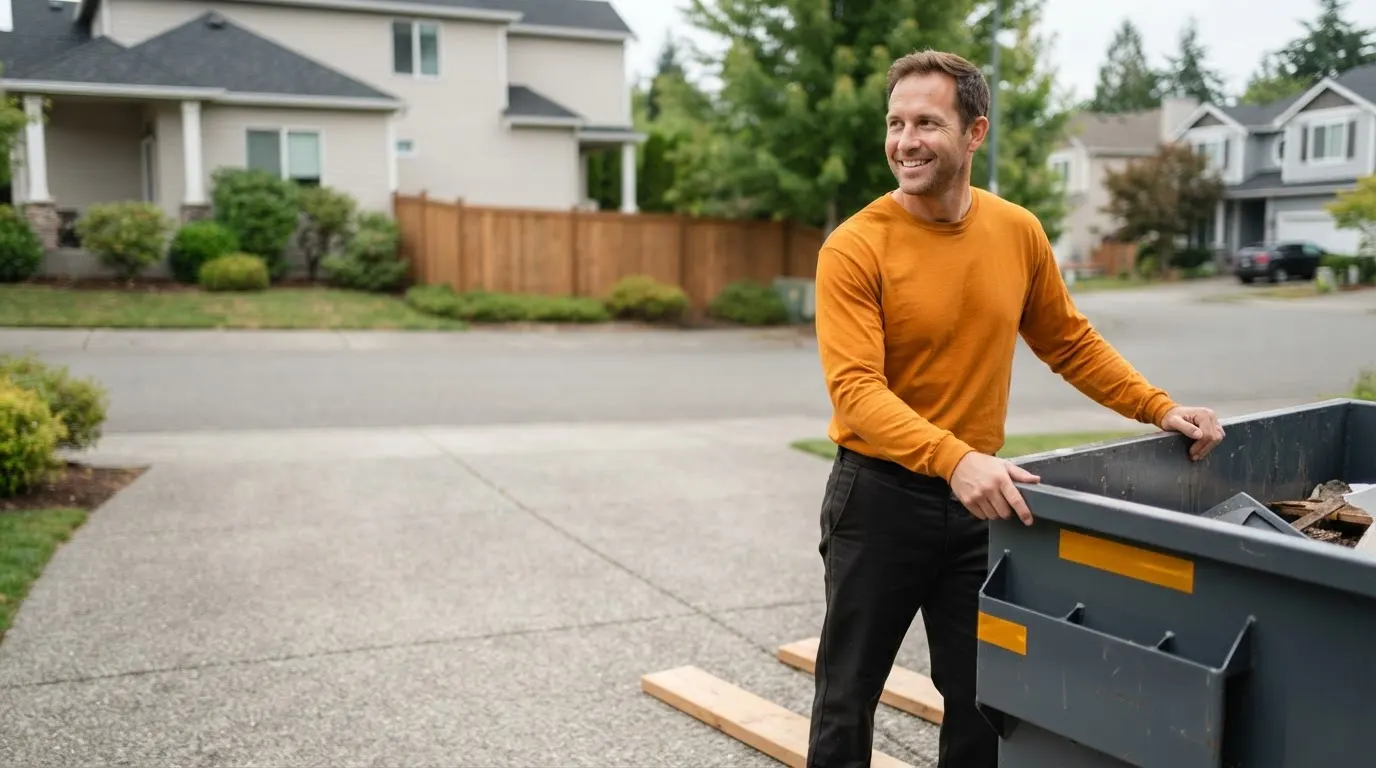
Garbage collection service company in Renton is a specialized waste logistics provider that removes excess bulk trash, construction debris, and oversized residential waste exceeding municipal curbside limits.
Every service reflects the same meticulous attention to detail, whether it's a single job or a larger garbage collection service project across Renton.
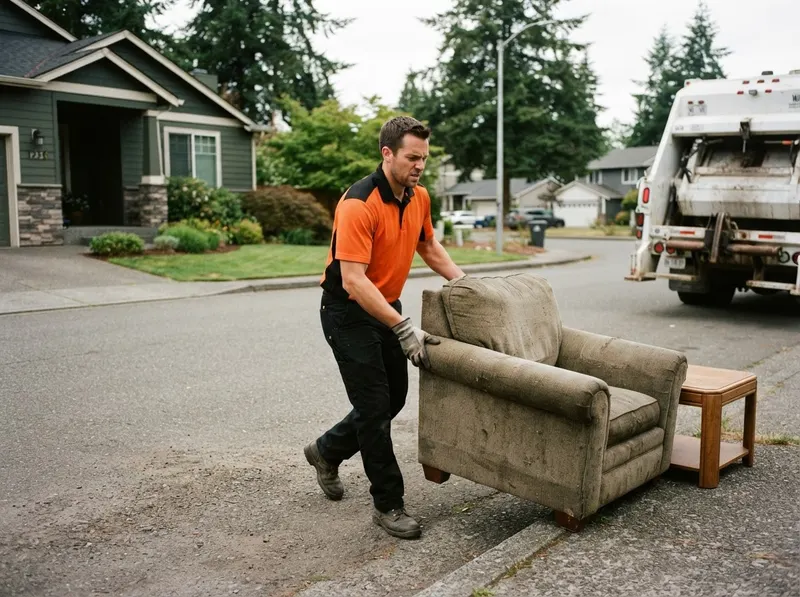
Residential bulk trash pickup collects oversized household goods, sectional couches, damaged mattresses, broken patio sets, and dense garage overflow that weekly municipal automated curbside collection trucks leave behind. Field technicians handle all lifting, carrying, and vehicle packing from main-floor living areas, carports, or curb edges, clearing the designated space entirely before performing a clean sweep of the loading footprint. Transport routing complies with King County transfer regulations, with base service starting at the standard $200 minimum fee for isolated items.
Get a quote →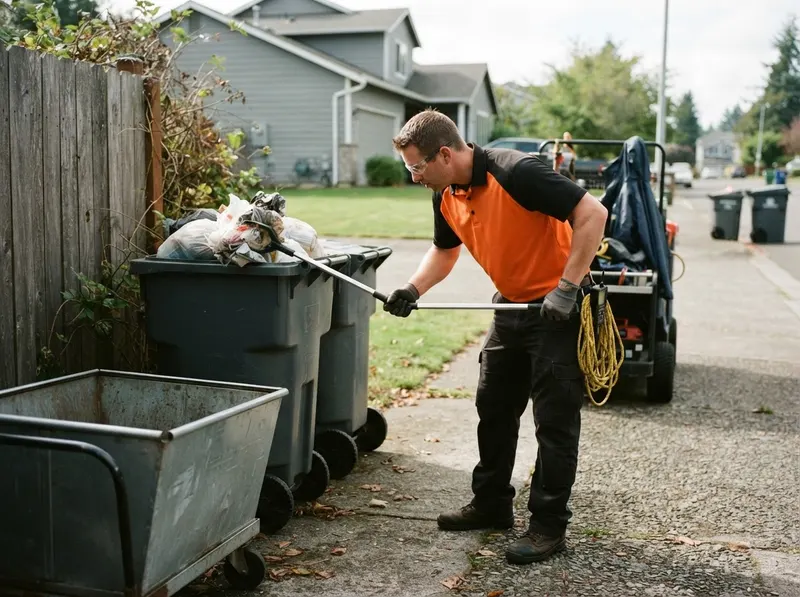
Scheduled overflow garbage collection provides reliable, routine waste containment for multi-unit apartment complexes, commercial strip centers, and private residential communities experiencing regular refuse surges. This option prevents unsightly dumpster enclosure spillage, eliminates city code violation risks, and curbs pest attraction by deploying intermediate pickup cycles between scheduled city rounds. Hand crews clear loose external bags, flatten bulky cardboard packaging, and transport excess refuse directly to municipal transfer hubs.
Get a quote →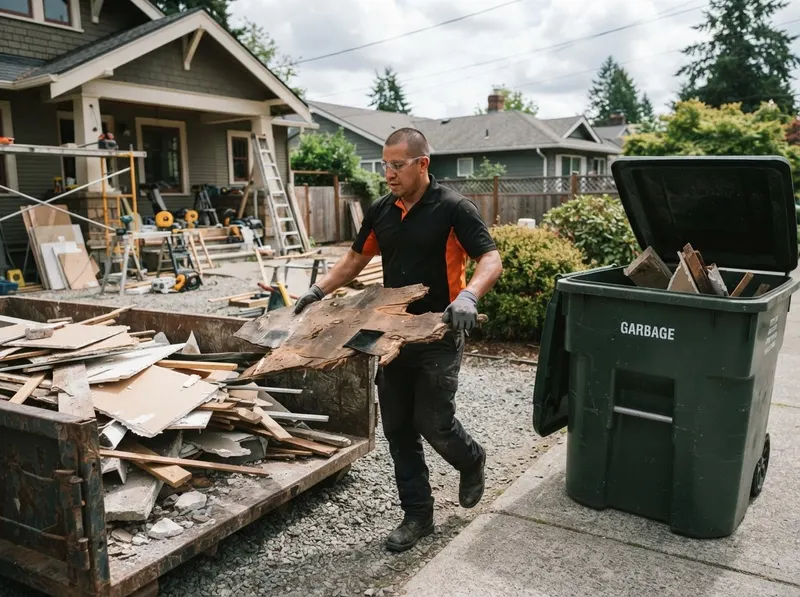
Construction debris removal extracts framing cutoffs, broken sheetrock, vinyl planking, subfloor fragments, and ceramic tile generated by residential remodels and property flips. Dispatch crews retrieve materials directly from active interior work areas or exterior staging zones, eliminating the need for general contractors to pull tradespeople off installation tasks to manage site clean-up. Materials are packed securely to maximize vehicle volume, preventing loose fasteners and hazardous dust from remaining on residential driveways.
Get a quote →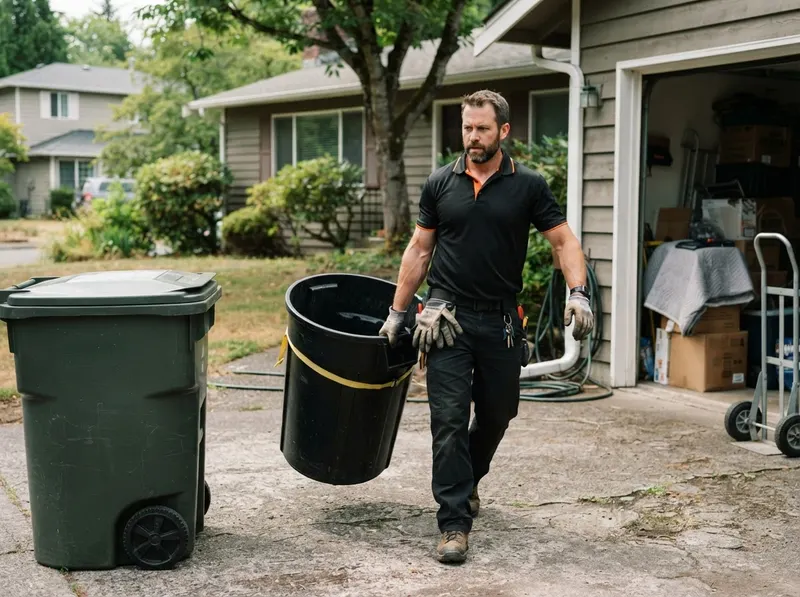
Estate cleanout collection provides comprehensive clearing of residential properties following estate sales, downsizing transitions, or probate settlements. Technicians work methodically through living rooms, basements, outbuildings, and attics, executing the heavy physical extraction of accumulated furnishings, packed cardboard cartons, outdated home goods, and general household refuse. This phased containment approach spares family members from the severe physical strain and logistical complexity of coordinating multiple independent truck rentals.
Get a quote →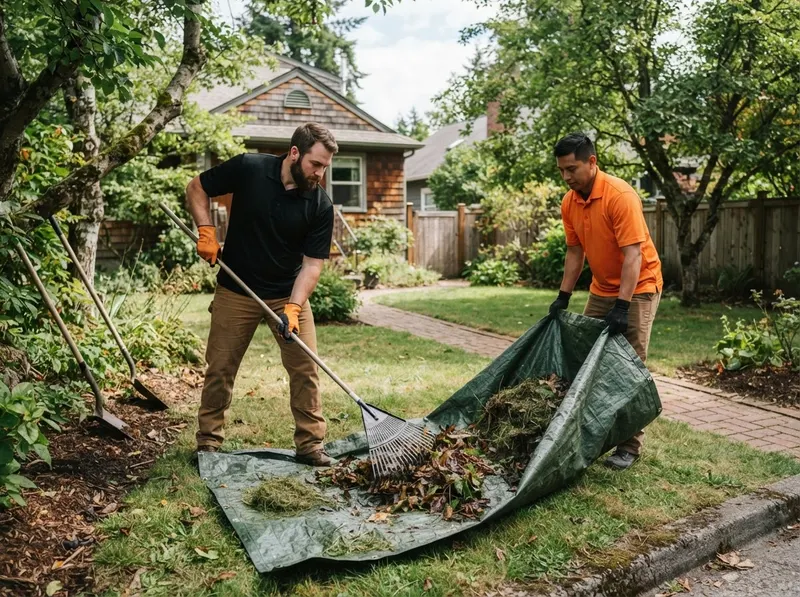
Yard debris and organic waste removal handles high-density exterior materials such as fallen evergreen branches, storm trimmings, blackberry thickets, pulled shrubs, root balls, and dead sod layers that overwhelm standard yard-waste bins. Loading technicians collect materials directly from fence lines, backyards, or street edges, hauling dense vegetation loads to authorized regional composting processors to keep neighborhood stormwater swales and ditches clear of organic blockages.
Get a quote →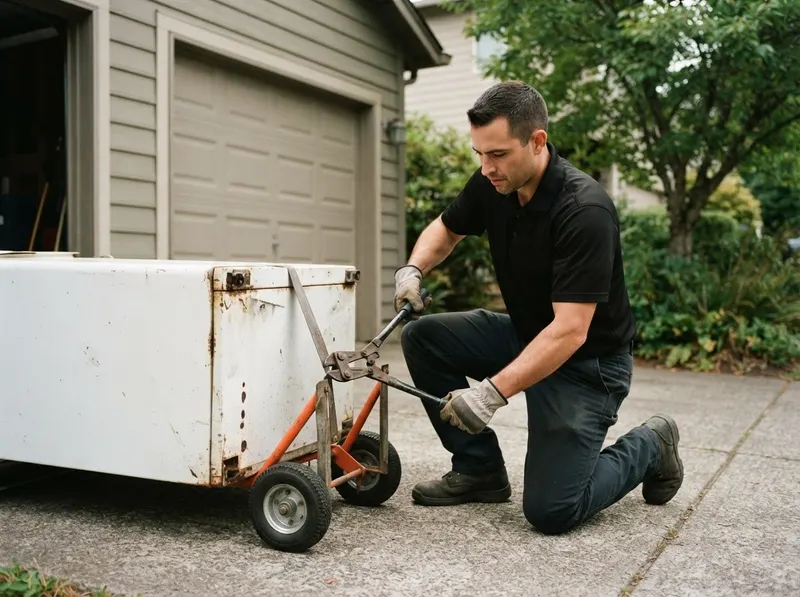
Appliance and scrap metal collection manages the removal and disposal of bulky household appliances including broken refrigerators, freezers, ranges, washing machines, and structural metal remnants. Field crews utilize heavy-duty appliance dollies, floor-running blankets, and strap restraints to extract heavy machines without marking finished hardwood or tearing linoleum surfaces. Refrigerant-bearing appliances are processed in strict compliance with regional environmental rules governing fluorocarbon handling.
Get a quote →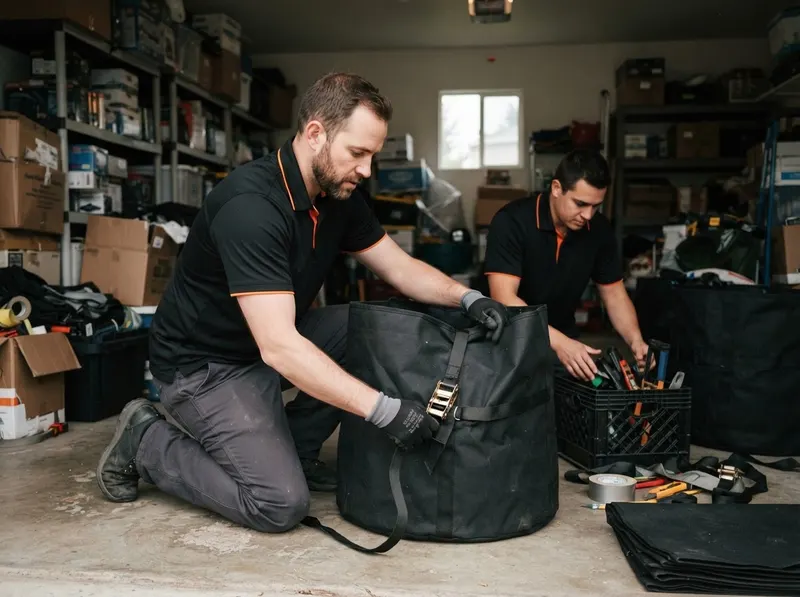
Hoarded space debris containment provides high-volume, structured refuse removal for properties dealing with heavy domestic clutter, narrow pathways, and elevated safety concerns. Crews operate under structured protocols to safely bag, haul, and clear densely packed rooms, clearing egress pathways and removing heavy organic and household debris. The work is executed with consistent focus on structural safety, site security, and efficient volume clearing to restore functional living space.
Get a quote →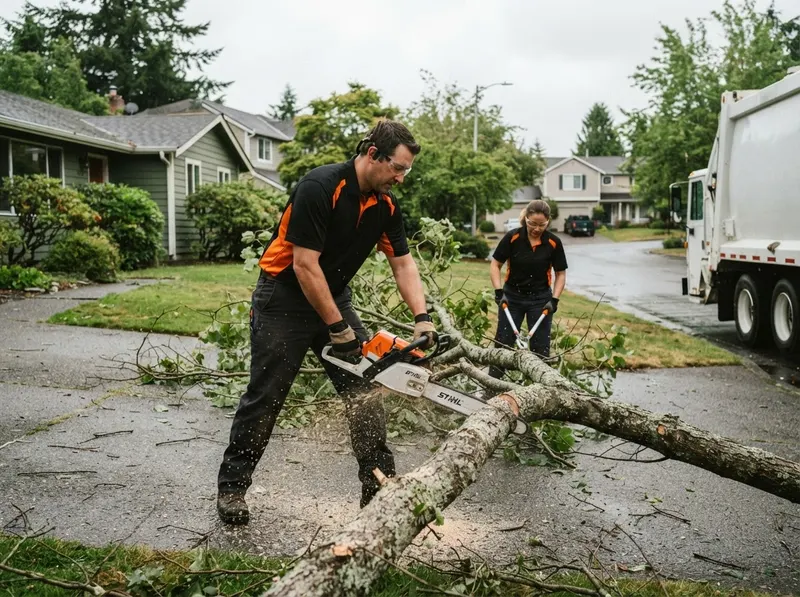
Emergency storm debris clearance mobilizes quickly following severe windstorms, torrential rains, or snow events that deposit fallen timber, rip siding, or flood basement storage areas. Dispatch crews prioritize clearing blocked residential driveways, private roads, and building perimeters, hauling waterlogged carpets, fallen limbs, and damaged fencing before rain saturation increases the total material weight and complicates transfer station processing.
Get a quote →You get a firm, itemized quote for your garbage collection service before any work begins, no surprises, no pressure.
Careful prep, tidy work, and a full cleanup when we are done. We treat your home and belongings like our own.
The same trusted, background-checked team from the first call to the final check.
Determining the correct removal method requires balancing container placement limits, loading labor, and waste volume. If a project generates loose drywall scraps, demolition framing lumber, ceramic bath tiles, or masonry rubble over an extended remodeling schedule, renting a stationary roll-off container fits best because tradespeople can discard debris continuously without staging intermediate refuse piles. If a project involves bagged household clutter, mixed furniture, boxed attic overflow, and broken outdoor equipment needing same-day removal from a garage or living area, selecting full-service crew loading fits best.
The fundamental trade-off lies between on-site footprint and physical loading exertion. A drop container demands a clear driveway footprint measuring at least 10 feet wide by 20 feet long, with a minimum vertical clearance of 14 feet clear of low-hanging tree canopies and power connections. Labor-included collection eliminates bulky equipment on the driveway entirely by using mobile box trucks that load within a two-hour window, though this method requires having all materials staged or allowing crew access to inside storage areas.
For properties positioned on steep inclines along Talbot Hill or narrow single-lane easements throughout Kennydale, physical geography dictates the strategy: medium-duty tandem collection trucks negotiate tight switchbacks and sharp cul-de-sacs that cannot safely accommodate heavy drop-deck container rigs. Selecting a 10-yard bin serves small bathroom overhauls or modest shed clearouts holding under two tons of debris, while major residential estate cleanouts require 20-yard or 30-yard containment to prevent overfill surcharges. Choosing an undersized container risks hazardous transit refusals under state road regulations, whereas paying for unneeded container capacity inflates freight overhead without practical benefit.
Every project gets a firm, written price after a free on-site visit. Ranges below for orientation.
Tell us about your garbage collection service job and we'll send a clear, written quote, usually the same day. Or just call and talk to a real Renton pro.
(425) 988-7886
Managing residential waste collection across Renton requires working within specific regional land characteristics and King County environmental protocols. Properties situated across the steep terrain of Talbot Hill and the upper switchbacks of the Renton Highlands feature narrow driveways with sharp grades. Positioning heavy steel containers on these angled surfaces without wood underlayment or specialized wheel stops risks severe surface gouges and balance failures. In lakefront neighborhoods like Kennydale and low-lying zones bordering the Cedar River Trail, persistent Pacific Northwest moisture quickly saturates staged outdoor waste piles. Wet mattresses, untreated lumber, and porous carpets absorb high volumes of rain, substantially increasing material weight and transfer station tipping fees if left exposed to the elements. Furthermore, residential communities near Gene Coulon Memorial Beach Park, Lake Washington, and downtown Renton require strict site containment to prevent loose trash from washing into municipal stormwater channels. The King County Bow Lake Transfer Station in nearby Tukwila processes regional solid waste under strict bans on free liquids, yard trash co-mingled with dry wall, and uninspected hazardous materials. Professional bulk waste dispatchers account for these operational limits, safely managing staging angles, tarping open debris against rainfall, and routing waste efficiently across the Interstate 405 and Highway 169 corridors.
Free estimates for Renton & the surrounding area.
 WasteWay Dumpster Rental